

Design Research / Speculative Design / Visual Systems / Identity Design / Modular Design / Packaging Design / Book Design / Presentation Design / Experimental Typography
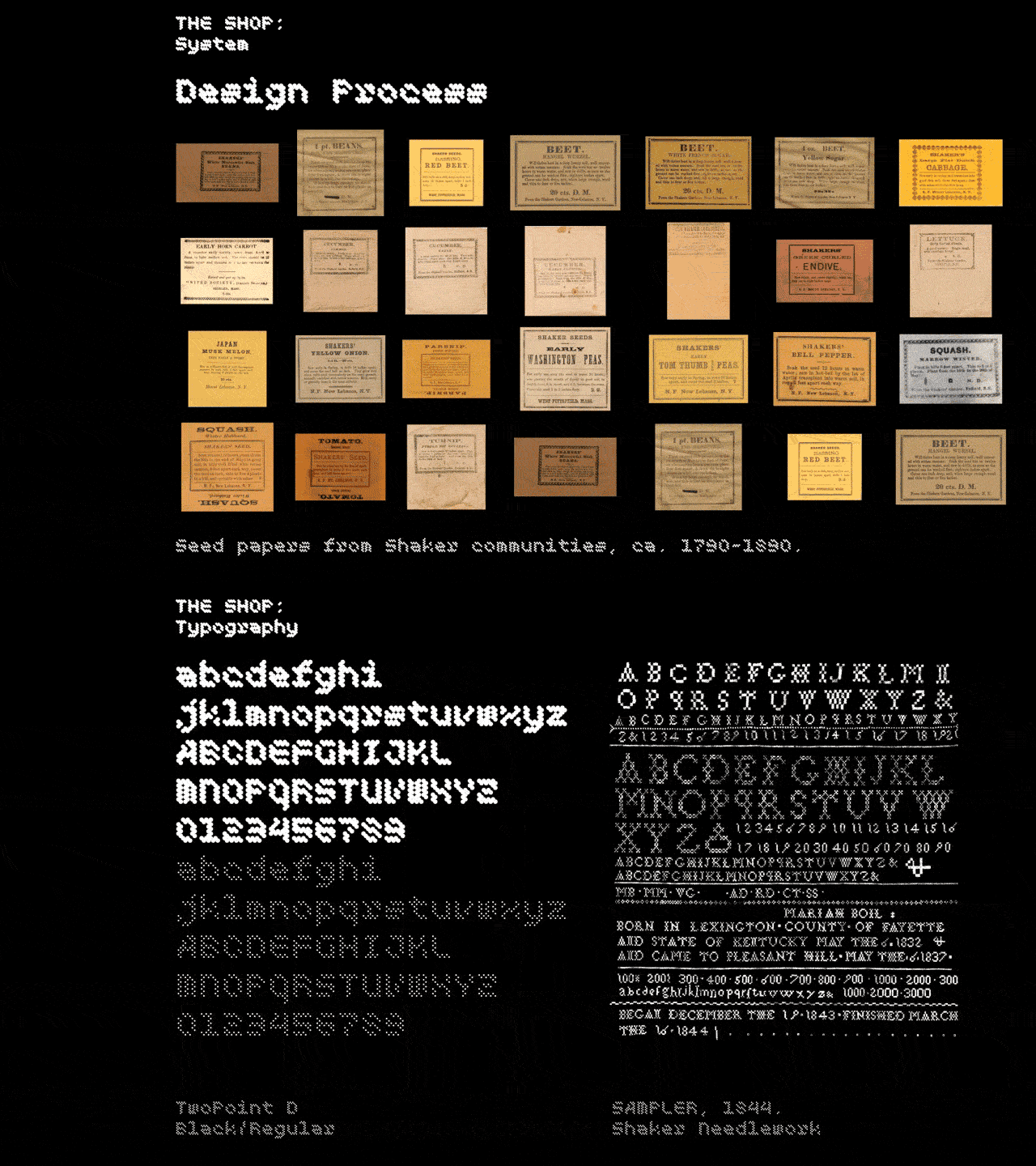
From the Shakers' Garden (2024) was my graduate design research project, conducted at The Design School in the Herberger Institute for Design and the Arts at Arizona State University. Tasked with identifying an issue to address through design research, I instead chose to focus on something celebratory. During my exploration, I noticed a lack of cohesion in the Shaker community's seed industry ephemera, in contrast to the brilliance of their pioneering design ethos, which was evident in their furniture, architecture, interiors, and other objects. This discrepancy presented an opportunity to reinterpret Shaker design values in a contemporary context, while also showing how this process can contribute to historical contemplation through speculative design.
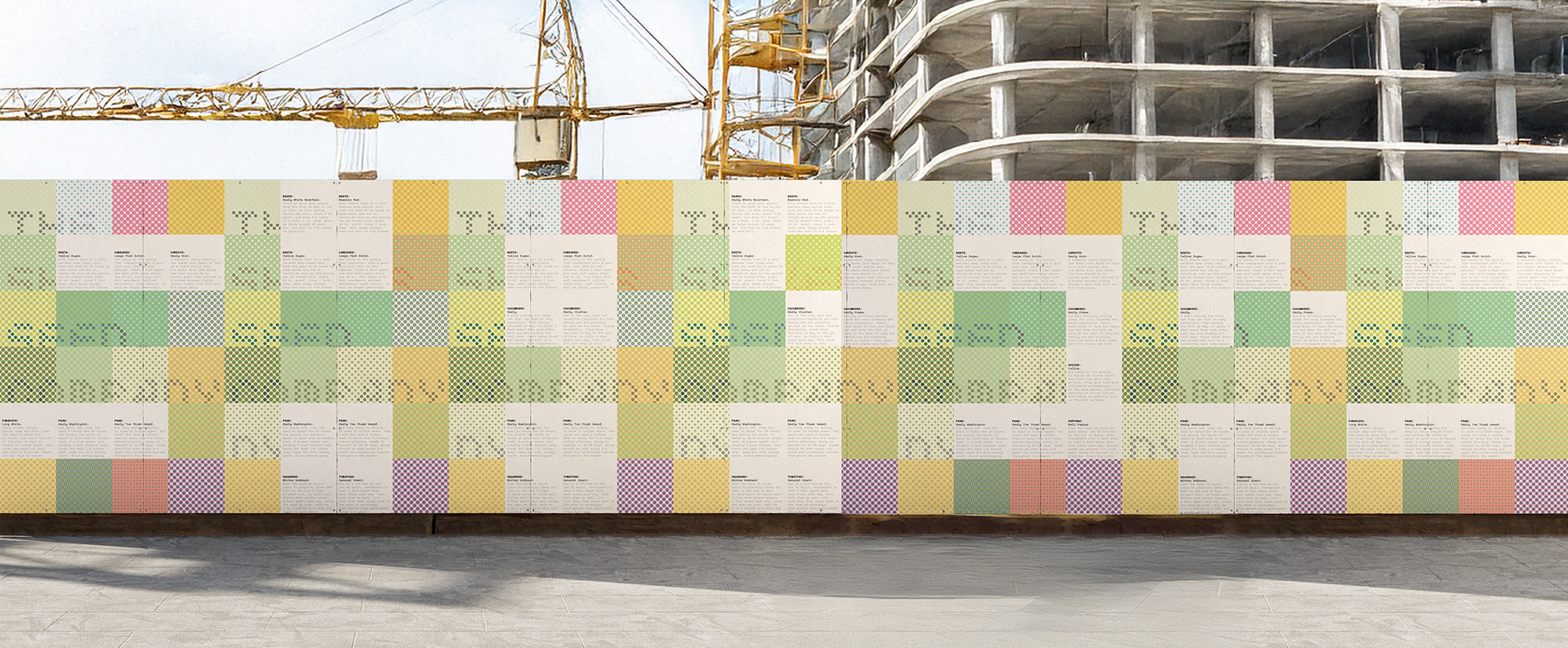
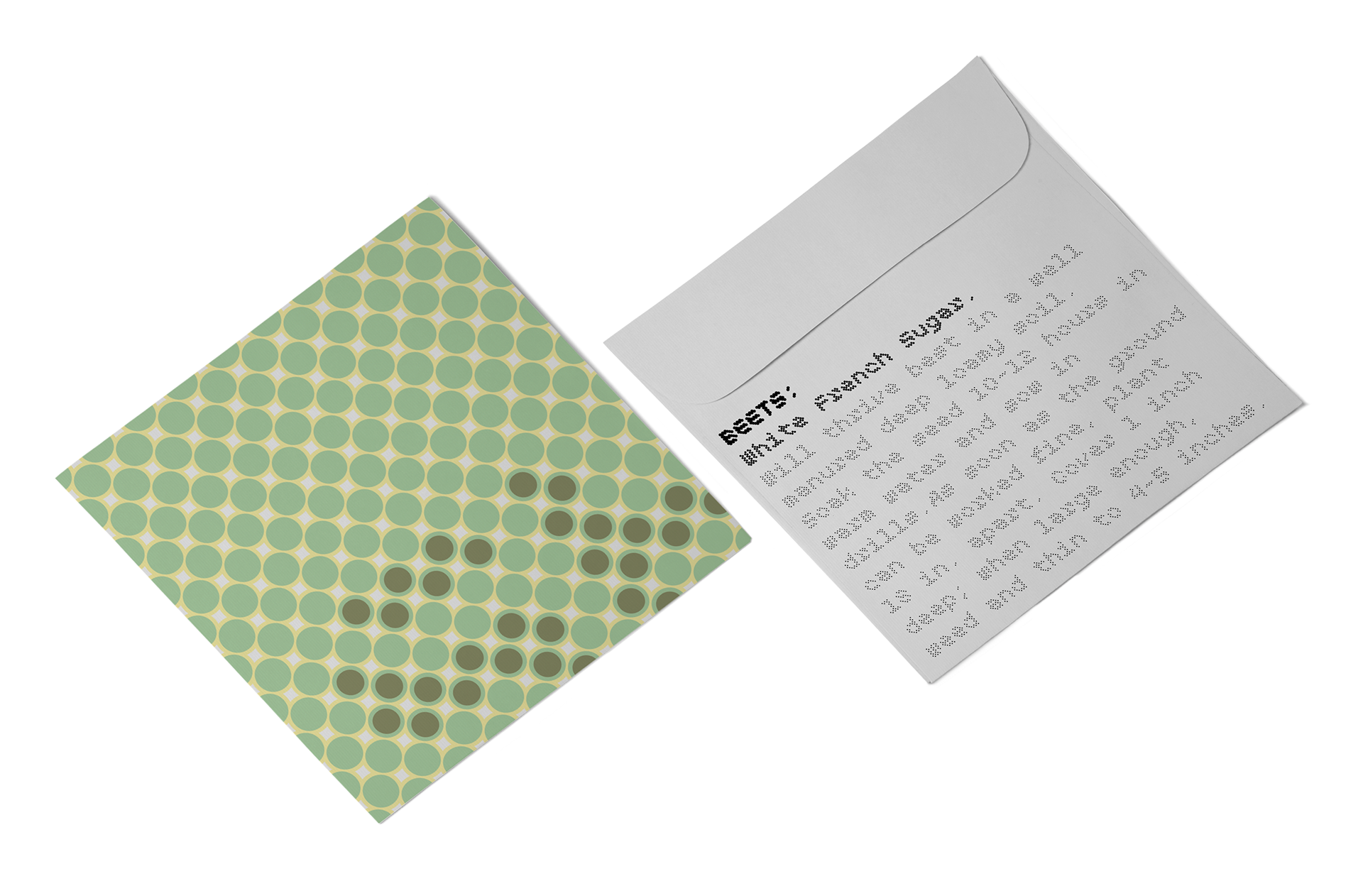
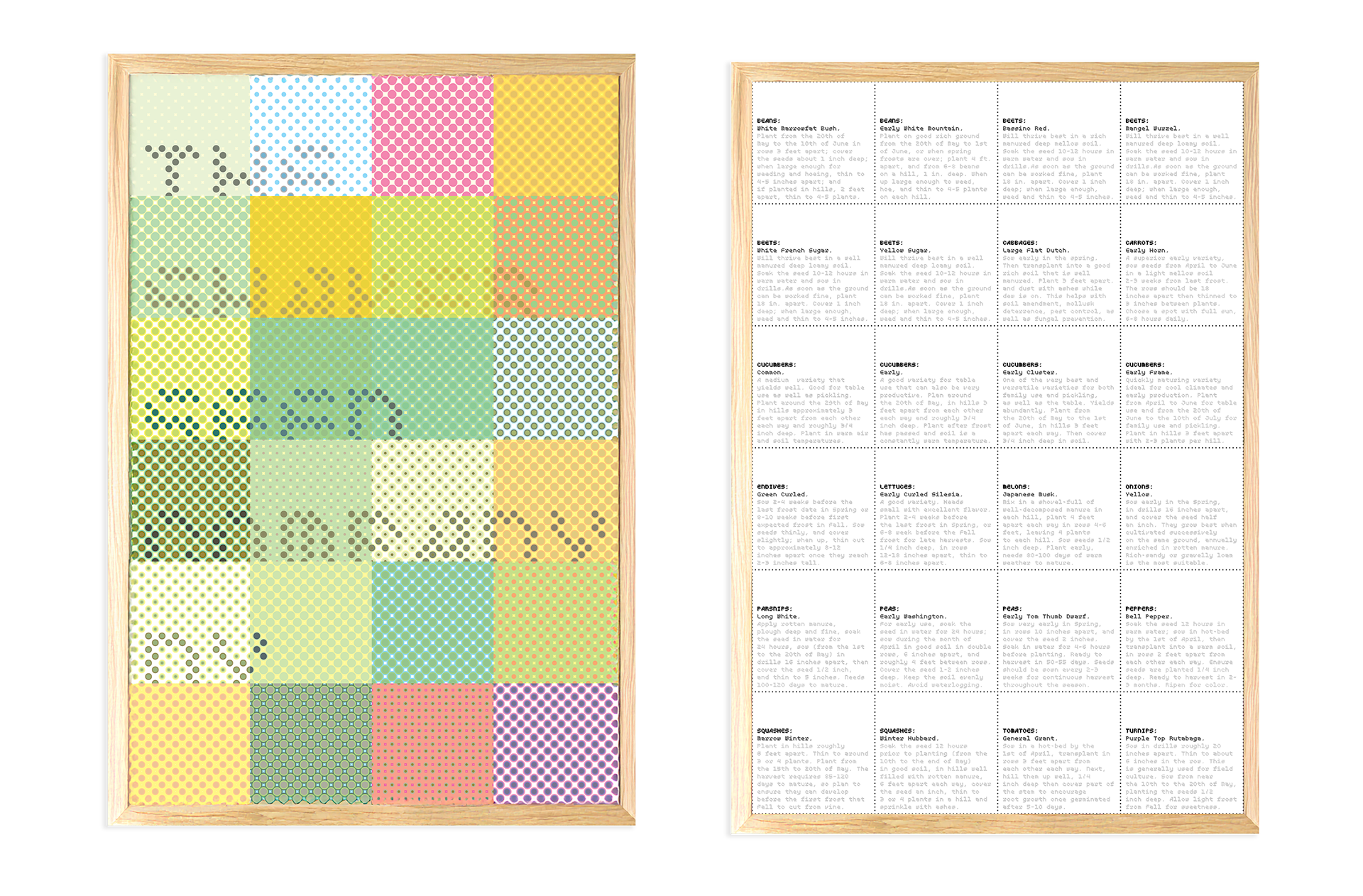
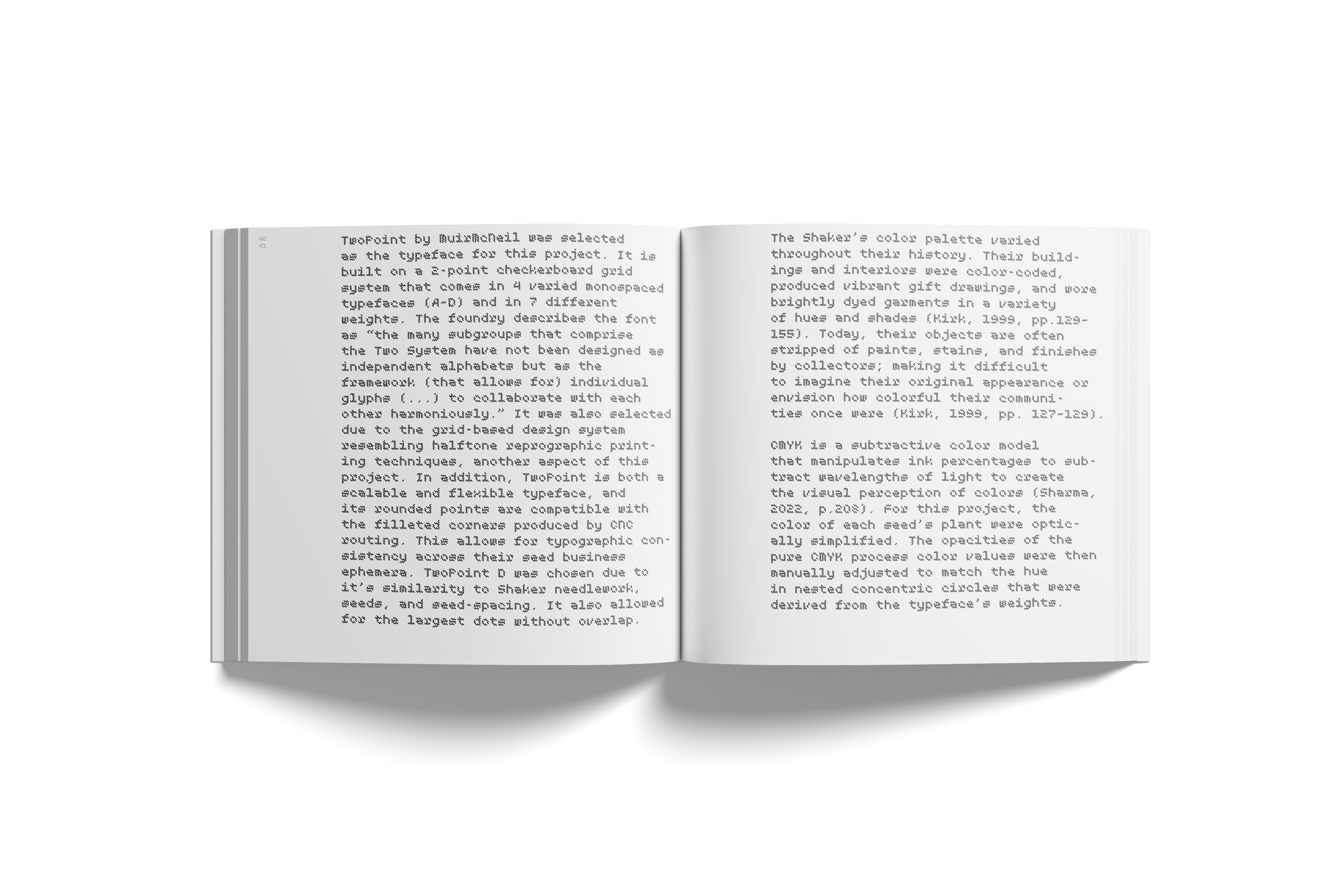
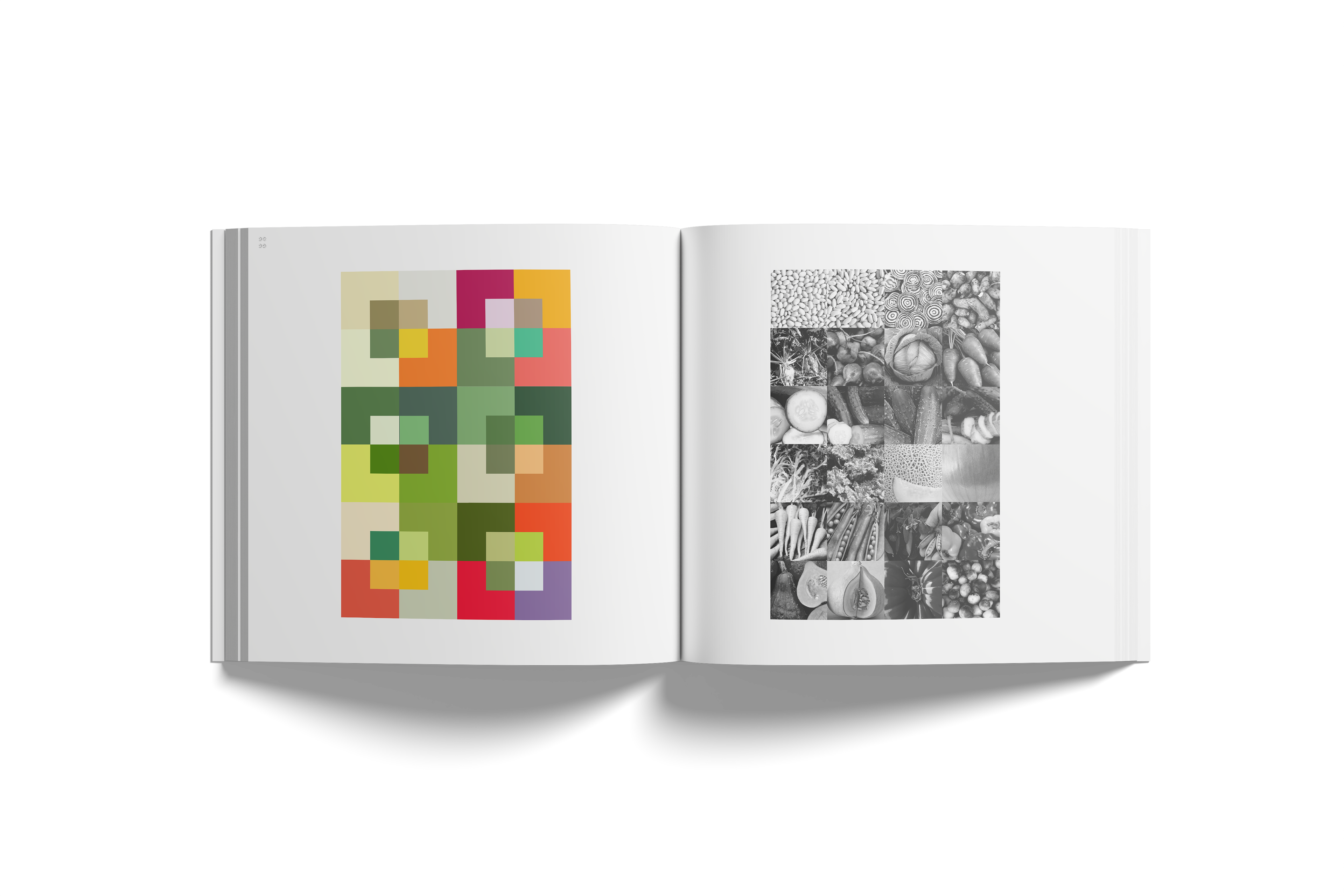
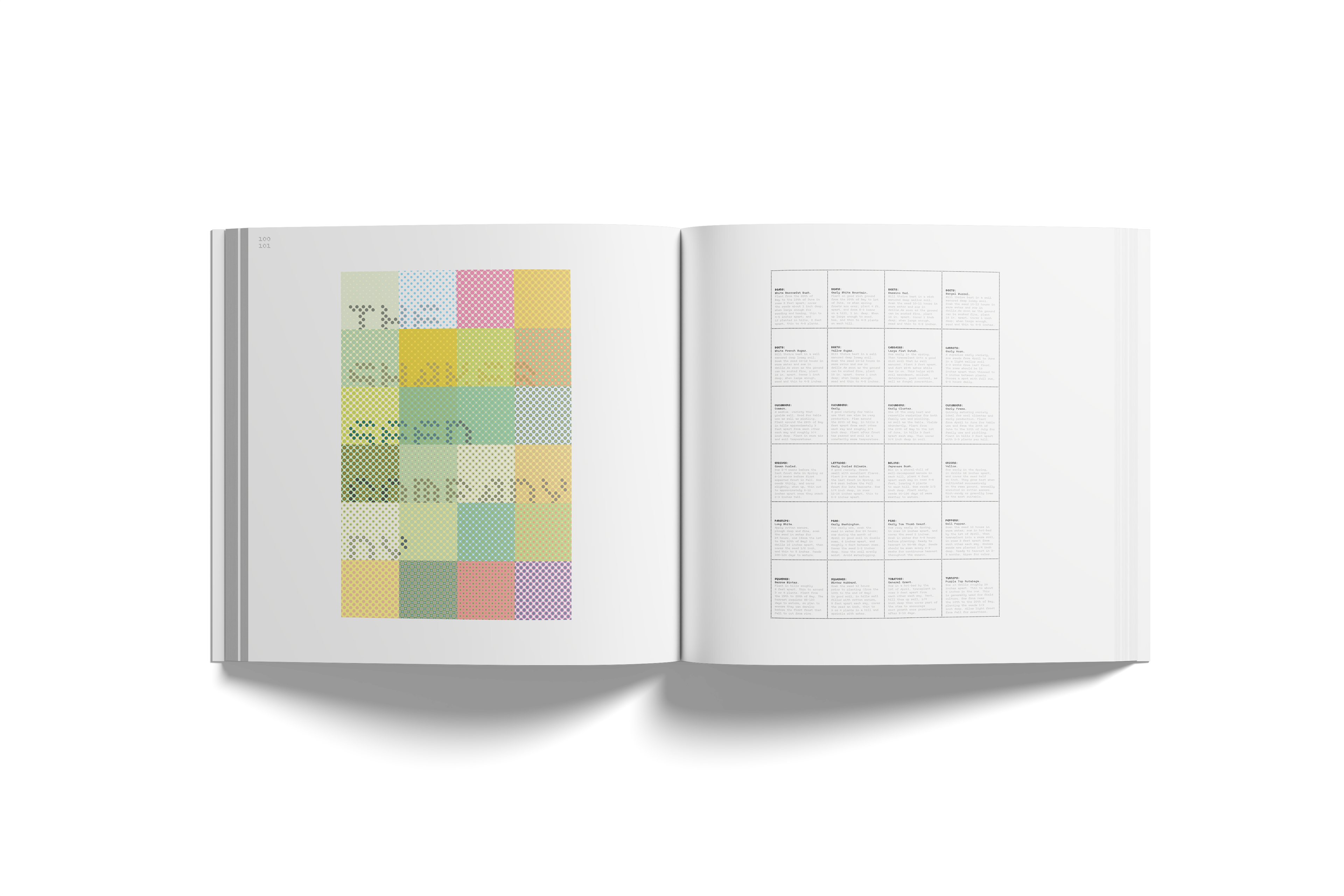
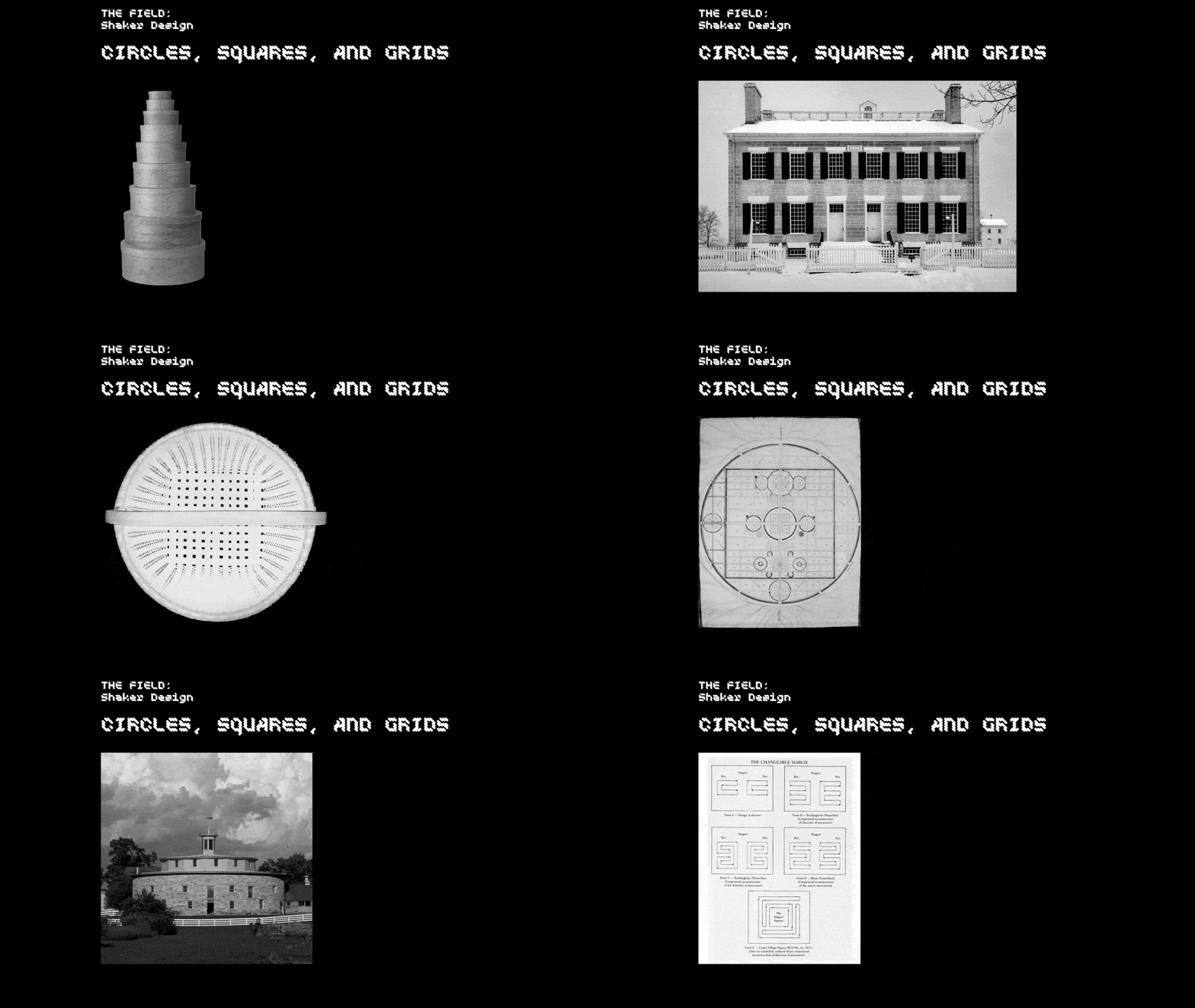
This project utilized a research-through-design approach that integrated both historical and cultural analyses of Shaker history, design, and industries. To establish a foundation for creative inquiry, the project employed methods such as artifact studies, literature reviews, and design ethnography. Prototyping and material experimentation were guided by Shaker principles of honesty, geometry, and modularity, alongside modern fabrication techniques, including manual process color manipulation and potential CNC routing for later project phases. The process involved creating and testing a modular visual system inspired by Shaker forms and principles, resulting in prototypes for seed packets, posters, catalogs, and, if the project were expanded upon, seed boxes.
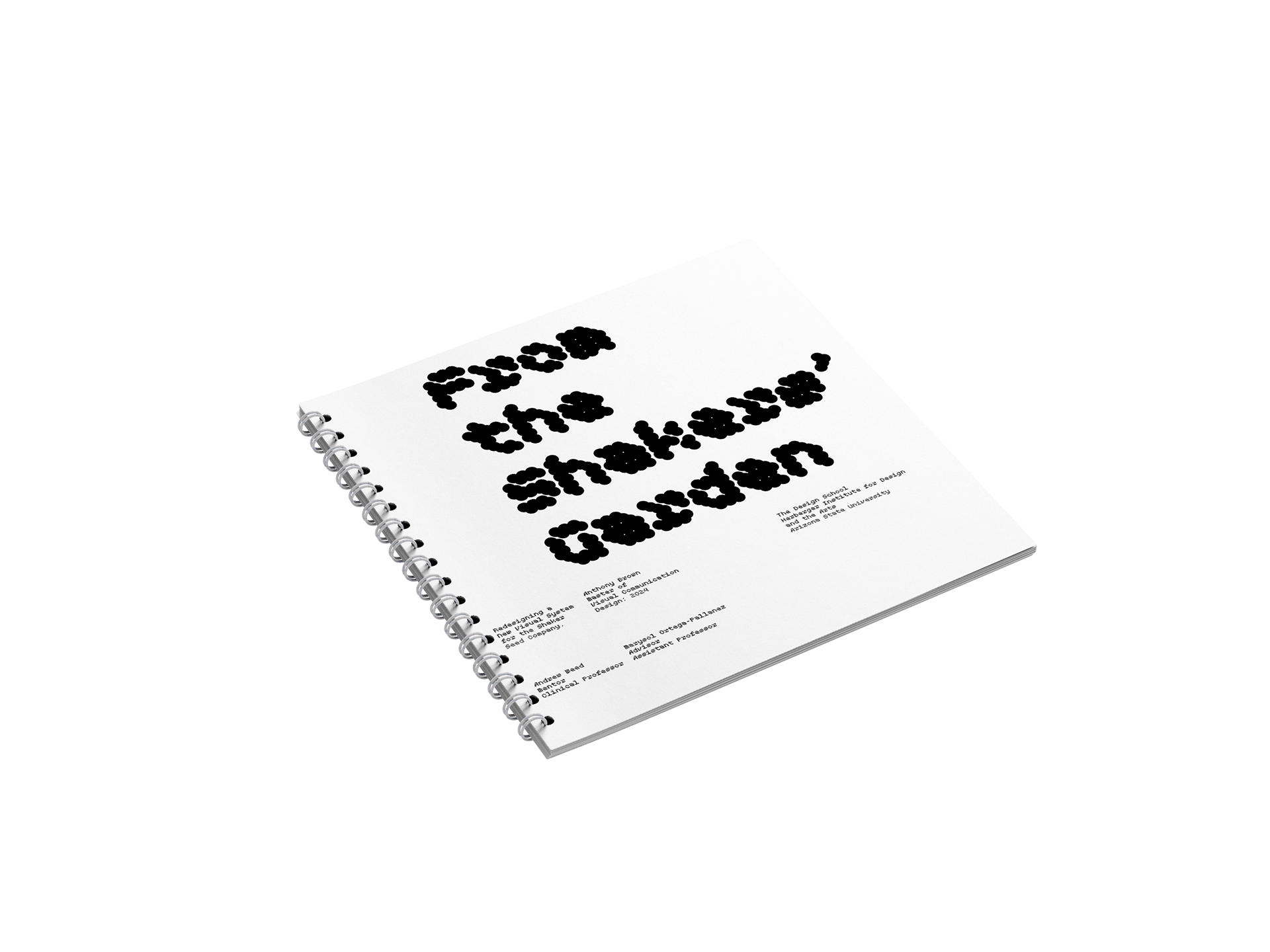
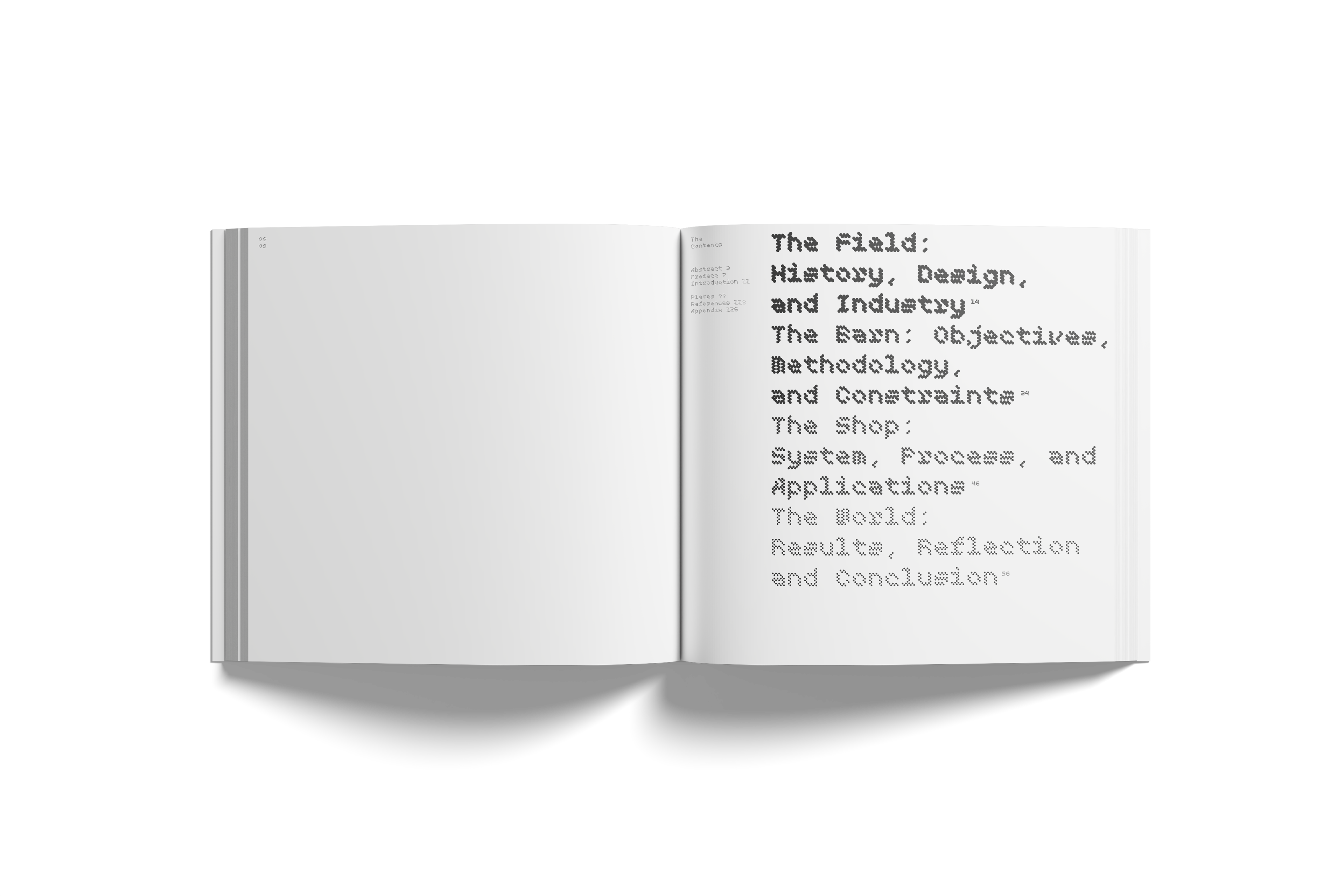
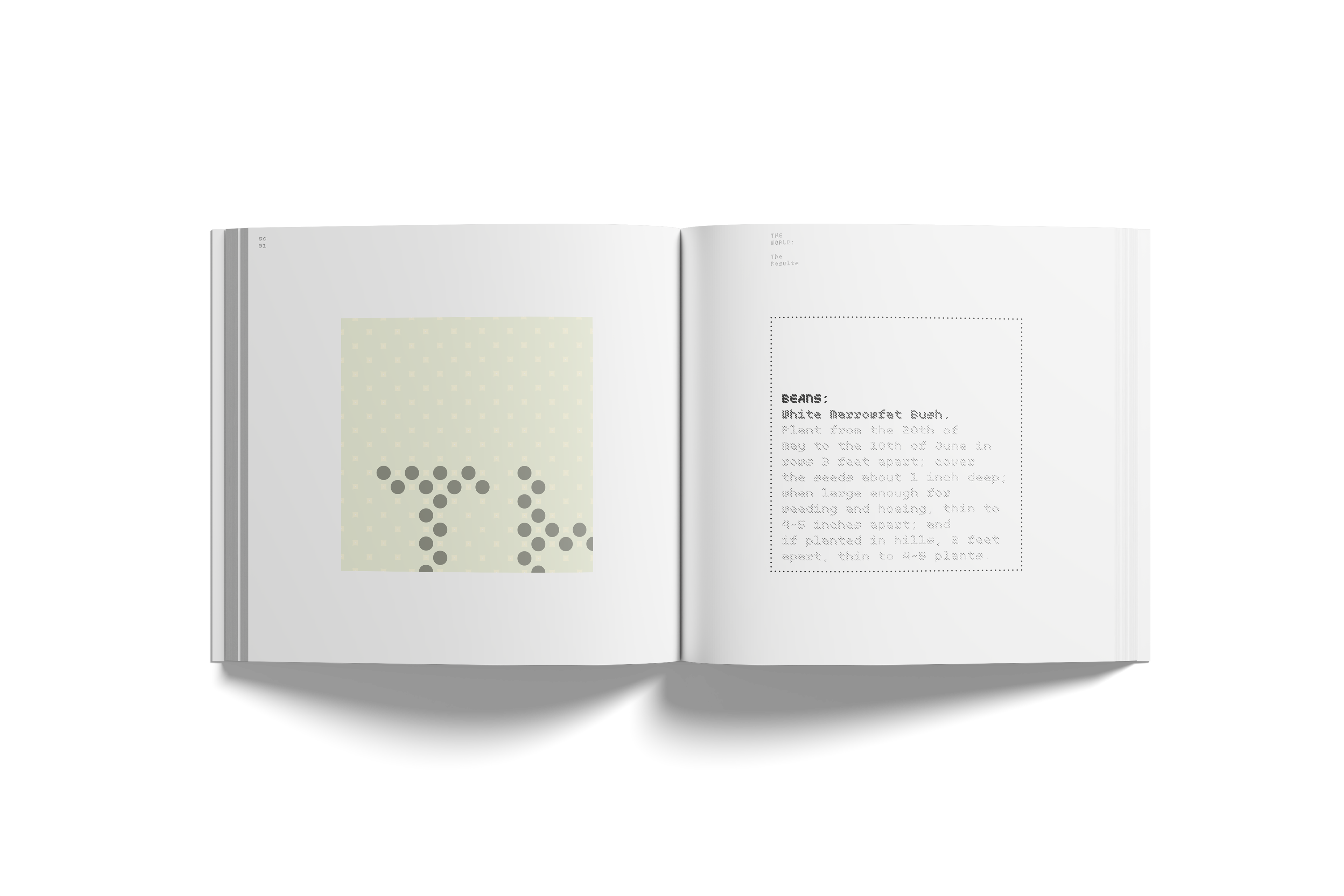
The results produced a cohesive set of imagined artifacts, including a redesigned series of seed papers, a modular visual system, and a project book that documents the processes, framework, and conclusions. These outcomes envision how the Shaker Seed Company's identity might have evolved if the community, its design philosophy, and the innovative spirit cultivated under Joseph Meachem's guidance had continued to evolve into the present. This project demonstrates how design research can be leveraged to envision alternative realities, drawing on historical practices to explore contemporary design possibilities.